
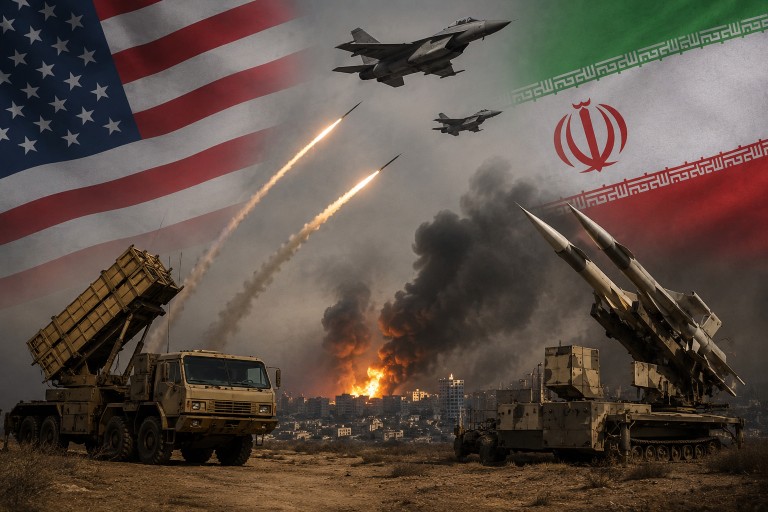
Military tensions have escalated between the United States and Iran, marking six days of intensified operations that threaten to unravel a fragile interim peace agreement. The U.S. has launched fresh strikes near Tehran and targeted a vessel it claims ignored warnings, drawing a sharp response from Iran. Iranian officials have reported numerous casualties from these attacks, condemning the actions as aggressive provocations.
In retaliation, Iran has fired missiles and deployed drones toward Bahrain, Jordan, and Kuwait, countries hosting U.S. military installations. Iraq also reported a drone attack near Erbil, which was intercepted, while operations at Basra’s oil loading facilities faced temporary disruption due to a drone hitting a tanker, although it caused minimal damage.
The strategic Strait of Hormuz, a vital artery for global energy supplies, has become an epicenter of conflict. Iran announced the closure of the strait and warned of further military actions if the U.S. continues to target its infrastructure. The situation has put Iranian-backed groups in the region on high alert, raising fears of broader disruptions to international shipping lanes.
The ongoing conflict has rattled global energy markets, pushing oil prices to approximately $85 per barrel as shipping through the Strait of Hormuz diminishes. In response to the heightened threat, several nations, including India, have advised their merchant ships and sailors to avoid the area until stability is restored.
Despite the intensifying military situation, President Donald Trump has expressed that the U.S. remains willing to pursue a negotiated settlement. However, Iranian leaders have declared their unwillingness to enter talks under military duress. Efforts by regional diplomats to mediate and de-escalate the tensions have so far been unsuccessful.