
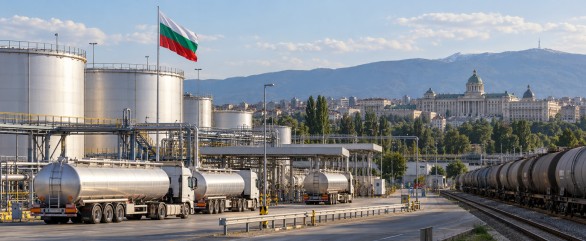
Bulgaria is grappling with soaring fuel prices, marking the highest increase among European Union member states in August 2026. Amid this economic pressure, the Bulgarian National Assembly has decided to repeal a temporary measure that restricted the export and intra-EU supply of petroleum products. Originally imposed in October 2025, the restriction was lifted following a parliamentary vote on September 23, 2026.
The decision to reverse the measure was driven by claims that the initial risks prompting the restriction have been mitigated. Deputy Economy Minister Mihaela Karadimova stated that maintaining the restriction was causing administrative burdens for fuel companies. She emphasized that Bulgaria now has sufficient fuel supplies, dismissing any concerns of domestic shortages.
Nonetheless, this move has sparked debate within the country. Opposition lawmakers expressed concerns that lifting the restriction might exacerbate pressure on domestic fuel prices and supply. They are urging for additional steps to ensure that Bulgarian consumers are not adversely affected by the change in policy.
As of September 23, Bulgaria’s fuel prices reflect the broader economic challenges. The average price of A95 petrol stood at approximately €1.69 per litre, while diesel was averaging €1.95 per litre. These figures highlight the substantial 34.5% annual increase in fuel prices reported in August 2026, the highest among EU nations for that period.
Karadimova further argued that the export restriction was an anomaly in the context of the EU’s fundamental principle of the free movement of goods. The lifting of this restriction aligns with EU policies, despite the domestic challenges it poses, as Bulgaria navigates through this period of significant price increases.