
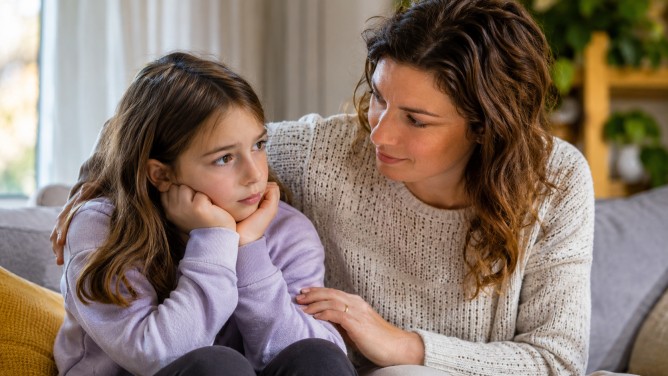
Children can experience anxiety just like adults, though they may struggle to articulate their feelings. As a result, it is crucial for parents and caregivers to recognize behavioral and physical changes that may indicate anxiety. By identifying these signs early, parents can provide the necessary emotional support to help children feel understood and secure.
Anxiety in children often manifests in physical discomfort, with frequent complaints of stomach pain, headaches, or nausea, particularly before school or new activities. Such symptoms should not be dismissed as mere excuses, as they are often linked to emotional stress. Additionally, sudden behavioral changes, such as increased irritability, emotional sensitivity, or a newfound dependency on parents, can signal anxiety. Children may also show reluctance to sleep alone, struggle with bedtime routines, or avoid social interactions.
Persistent worries can interfere with a child’s ability to sleep and concentrate, affecting their daily activities and school performance. Anxiety may cause children to have difficulty falling asleep, experience frequent nighttime awakenings, or display trouble focusing on schoolwork. They might also frequently seek reassurance or ask repetitive questions to cope with uncertainty.
Factors contributing to childhood anxiety include academic pressures, busy schedules, social challenges, and excessive screen time. Family dynamics, including disagreements or tension at home, can also influence a child’s emotional state, even if adults believe the child is unaware of these issues.
Parents play a vital role in supporting children with anxiety. It is important to create a supportive environment where children feel comfortable expressing their emotions. Encouraging open conversations using simple language to identify feelings such as worry or fear can be beneficial. Maintaining consistent routines for sleeping, eating, studying, and playing provides children with stability. Quality time spent together through conversations, games, and outdoor activities can strengthen the parent-child bond. Listening to children’s concerns without judgment and balancing academic responsibilities with relaxation and hobbies are also key strategies.
Limiting excessive screen exposure and promoting age-appropriate digital habits can further support healthy development. If a child’s anxiety persists, affecting their school attendance, sleep, relationships, or daily life, it may be necessary to seek guidance from a qualified child mental health professional. By responding with patience, reassurance, and consistent support, parents can help children develop confidence in expressing their feelings and handling challenging situations.