
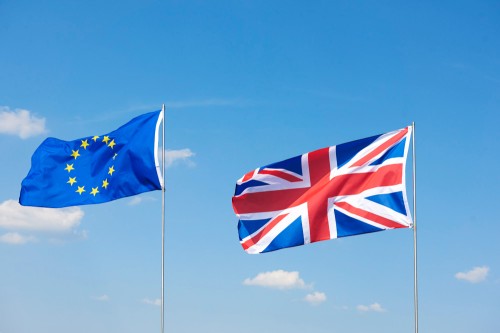
The prospect of a single market for goods between the UK and the European Union has been floated by the British government as part of broader efforts to enhance trade relations following Brexit and stimulate economic growth. High-level UK officials have engaged in discussions with their EU counterparts in Brussels, seeking to bolster economic ties. However, the response from the European side has been tepid, with officials there suggesting alternative frameworks such as a customs union or the UK’s accession to the European Economic Area (EEA).
Despite the potential benefits, rejoining the EU’s single market or customs union remains off the table for the UK government, which also rejects the idea of reinstating free movement of people. These stances create political hurdles for the suggested alternatives. Nonetheless, both parties are gearing up for a significant UK-EU summit slated for July, where they plan to delve into practical agreements. Key topics on the agenda are a veterinary and food standards accord to facilitate agricultural trade, linking carbon emissions trading systems, and establishing a youth mobility programme for educational and work exchanges.
The UK is also keen on enhancing cooperation in various sectors, including defence, steel, electric vehicles, and technology. British officials are optimistic that improved trade frameworks will not only fuel long-term economic growth but also reinforce industrial collaboration across Europe. However, the EU remains wary of granting the UK preferential access to the single market, expressing concerns that such an arrangement might embolden Eurosceptic sentiments in other member states.
As negotiations continue in the lead-up to the anticipated summit, both sides are exploring ways to bridge their differences and find common ground. Despite the challenges, the aim is to finalize agreements that could pave the way for more robust economic partnerships and collaboration. The outcome of these discussions will be closely watched, as they have the potential to shape the future of UK-EU relations in the post-Brexit era.