
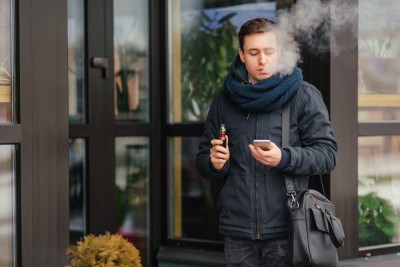
While vaping is often marketed as a less harmful alternative to traditional smoking, health specialists are raising alarms about the potential negative effects of nicotine-rich e-cigarettes, particularly on skin health. Emerging studies indicate that vaping might disrupt the skin’s ability to heal naturally and could be a factor in inflammation and acne outbreaks.
Medical professionals point out that nicotine causes the constriction of small blood vessels throughout the body, which in turn diminishes the flow of oxygen and essential nutrients to the skin. This healthy circulation is crucial for repairing various skin issues, such as acne lesions, minor injuries, and other forms of irritation. When the blood supply is compromised, the skin’s healing process can be significantly delayed.
Beyond its impact on blood flow, vaping introduces a host of chemicals to the body that can elevate oxidative stress and exacerbate inflammation. These factors can result in skin appearing less vibrant and, for some individuals, can aggravate acne or complicate the treatment of existing breakouts. Such insights highlight the intricate balance between external skincare and internal health factors.
Experts caution that the research linking vaping to acne is still in its infancy, and it’s crucial to understand that vaping might not be the sole culprit behind skin issues. Hormonal changes, dietary habits, genetic predispositions, and skincare routines are also vital components influencing skin health. This multifaceted perspective is essential for those dealing with persistent skin problems.
For individuals who maintain a consistent skincare regimen yet continue to face ongoing inflammation, delayed healing, or frequent breakouts, it may be worth considering the role of nicotine in their condition. Health experts underscore that achieving healthy skin relies not just on topical treatments but also on internal body processes like circulation and inflammation management, alongside tissue repair capabilities.