
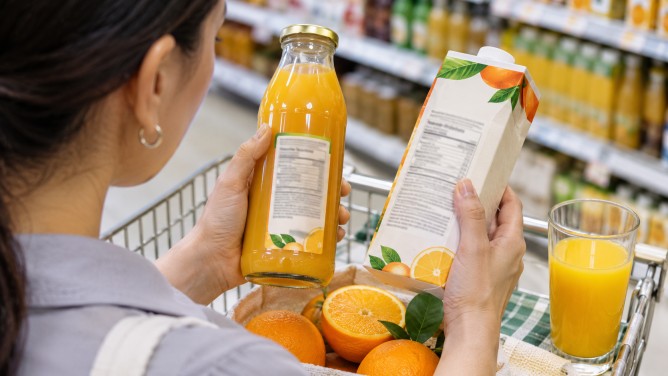
When wandering down the aisles of a supermarket, the variety of packaged fruit beverages can be overwhelming. While many products may appear similar, their contents and nutritional profiles often differ significantly. Understanding these differences is crucial for making healthier choices for yourself and your family. Rather than being swayed by attractive packaging or health claims, it is essential to examine the ingredient list, fruit percentage, and nutritional information.
A key distinction to be aware of is the meaning behind “100% fruit juice.” This label indicates that the juice is derived entirely from fruit, either directly or from concentrate, but it does not mean the juice is devoid of naturally occurring sugars. While 100% fruit juice offers certain vitamins and minerals, it typically lacks the fiber found in whole fruits, as the pulp is largely removed during processing. Fiber is vital for digestion and helps slow the absorption of sugars, making whole fruits a more beneficial option compared to their juiced counterparts.
In contrast, other fruit beverages such as fruit nectar, fruit-based drinks, and fruit-flavored beverages contain varying amounts of actual fruit content. Fruit nectar is a blend of fruit pulp or juice with water, while fruit-based drinks often have a lower fruit percentage, supplemented with water, sweeteners, and flavorings. Fruit-flavored beverages may have little to no real fruit content, relying instead on flavorings to mimic a fruity taste. Therefore, the product name alone does not reveal the complete nutritional picture, and consumers should always scrutinize the packaging for more information.
To make informed choices when buying packaged fruit beverages, there are several factors to consider. Firstly, check the actual fruit percentage noted on the packaging, as drinks with a higher fruit content are preferable. Reading the ingredient list is also important; if water or sweeteners like glucose syrup appear before fruit ingredients, this indicates a lower fruit content. Additionally, comparing the total sugar content between similar drinks is advisable, keeping in mind that this figure includes both natural and added sugars.
Furthermore, marketing claims such as “natural” or “no added sugar” may create a false impression of nutritional superiority. It’s crucial to remember that a drink can still be high in natural sugars. Also, pay attention to serving sizes; what may appear as a low-sugar option per serving could add up significantly when consuming larger quantities.
While fruit juice can be part of a balanced diet in moderation, whole fruits are generally a healthier everyday choice. Whole fruits provide dietary fiber, vitamins, and minerals, and their natural structure encourages chewing, contributing to a feeling of fullness. Incorporating more whole fruits into your diet can be as simple as enjoying them as snacks, adding them to breakfast, or pairing them with yogurt.
Ultimately, making healthier beverage choices involves more than relying on appealing labels or fruit imagery. By taking a moment to check the packaging details, you can make meaningful improvements to your dietary habits. While 100% fruit juice can provide nutrients, it should not replace whole fruits in your daily routine. Emphasizing whole fruits, limiting sugary drinks, and carefully reading labels can help cultivate healthier eating patterns.