
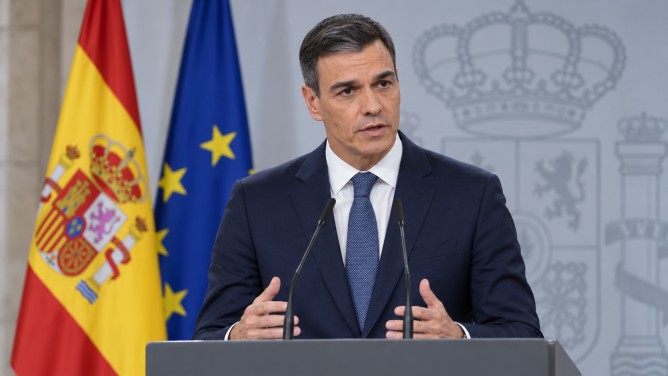
Spain is set to hold a snap general election on November 29, following the dissolution of its parliament. The election campaign will commence on November 13, with November 28 designated as a day of reflection. The upcoming vote is critical as it will decide the composition of Spain’s next government, amidst potential challenges in forming a government if no single party garners enough seats to govern independently.
Prime Minister Pedro Sánchez called the election after his government failed to secure parliamentary approval for two significant housing measures. These proposals aimed at providing protections for vulnerable tenants and implementing changes to rental housing were voted down after opposition parties, including Junts, opposed them. This defeat underscores the difficulties Sánchez’s government faces in maintaining support within a fragmented parliament.
Key issues likely to dominate the election campaign include housing, taxation, immigration, energy prices, healthcare, pensions, and the overall cost of living. The political landscape is further complicated by controversies surrounding Sánchez’s agreements with regional parties, particularly the deal with the Catalan party Junts, which supported his return as prime minister in 2023.
Adding to the pressure on Sánchez’s government are criticisms over its handling of the COVID-19 lockdown, the projected 2025 nationwide power blackout, and ongoing corruption investigations involving figures linked to the ruling Spanish Socialist Workers’ Party (PSOE).
The results of the November 29 election will be pivotal in determining whether Sánchez can continue as prime minister or if a new political coalition will take the reins of power in Spain.