
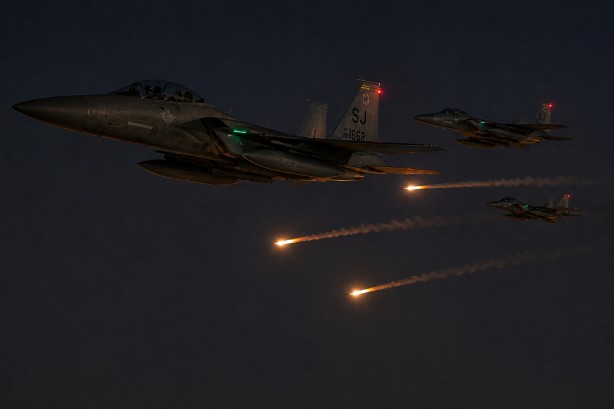
Tensions in the Middle East have escalated as the United States and Saudi Arabia conducted joint military operations targeting Iran-backed militia positions in Iraq. This action comes in response to a series of regional attacks that have heightened instability across the area.
The US military reported the successful interception of Iranian ballistic missiles aimed at American forces, which prevented any damage to a US military base located in Jordan. In light of these developments, Washington has issued a stern warning, indicating that any further aggression toward US personnel or Saudi energy facilities will be met with additional military responses.
The coordinated strikes specifically targeted sites associated with Iraq’s Popular Mobilisation Forces (PMF), resulting in the deaths of at least 20 militia members and wounding several others, as reported by officials.
Adding to the already tense situation, Iran’s Revolutionary Guards have claimed responsibility for intercepting three oil tankers in the Strait of Hormuz, accusing these vessels of breaching Iranian regulations. This incident has raised further concerns regarding global energy security, contributing to an increase in Brent crude oil prices.
These recent hostilities have shattered a brief period of relative calm and have intensified the uncertainty surrounding regional stability. Iraq has initiated an investigation into recent drone strikes, while Iranian-backed groups have denied any involvement. The unfolding situation highlights the escalating security threats facing the Gulf region and key international maritime pathways.