
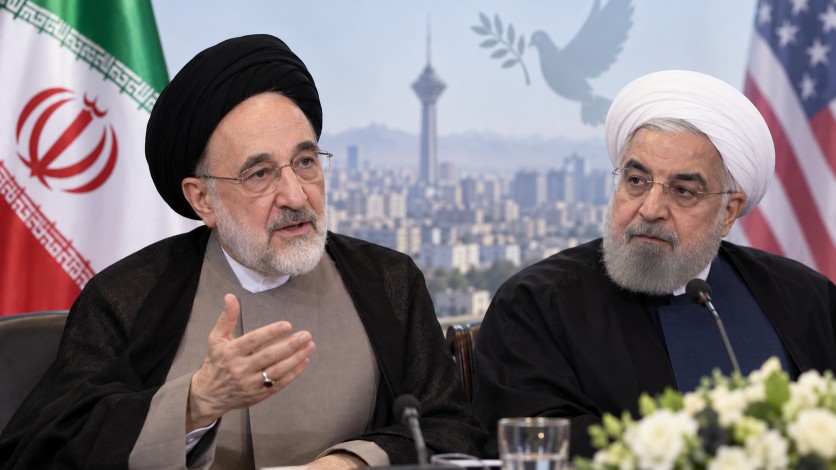
Amidst the ongoing tensions between Iran and the United States, former Iranian presidents Mohammad Khatami and Hassan Rouhani have emerged as vocal advocates for peace, urging a resolution that preserves national dignity. Their call for an “honourable” or “dignified” peace marks a departure from the hardline rhetoric that has characterized Iran’s stance in recent years. Rouhani has taken this a step further by suggesting that the Iranian populace should have a voice in deciding the nation’s approach to this protracted conflict. He questioned the sustainability of confronting major powers without public backing during a meeting with former officials.
Khatami, on the other hand, cautioned against the dangers of governing through a perpetual state of wartime emotion. He emphasized the importance of prioritizing Iran’s long-term national interests over the fervor of continued confrontation, advocating for diplomacy and negotiation as essential strategies. However, these appeals for measured dialogue have not gone unchallenged. Iranian hardliners have responded forcefully, with conservative media outlets accusing Khatami and Rouhani of advocating surrender. Loyalist demonstrations have echoed these sentiments, featuring chants that criticize any move toward compromise, and the editor of the hardline newspaper Kayhan has called for investigations into the former presidents’ actions.
The backdrop to this debate is a nation grappling with mounting economic challenges. Iran’s economy is under duress from rising fuel prices and diminished oil revenues, compounding the strain on its citizens. Additionally, the Strait of Hormuz remains a hotspot for global energy concerns, with its security implications resonating far beyond the region. Despite these pressures, Iranian officials have maintained a stern public posture, issuing warnings about adopting a more aggressive military stance should diplomatic efforts with the U.S. falter. This rhetoric has sparked fears that continued economic strain might lead to escalation rather than swift concessions.
Complicating the situation are ongoing regional diplomatic initiatives. Saudi Arabia and Iran have kept communication lines open regarding regional tensions, with high-level discussions focused on averting further conflict and fostering stability. These diplomatic efforts underscore a broader regional desire to mitigate tensions and find pathways to peaceful coexistence. The juxtaposition of these diplomatic overtures with the staunch warnings of Iran’s current leadership underscores a growing rift within the country between advocates of diplomacy and those who favor resistance.
As former leaders rally for negotiation and increased public involvement in decision-making, Iran’s present leadership remains steadfast in its warnings of potential military escalation if its conditions are not met. This dynamic highlights the ongoing struggle within Iran over the best path forward, as the nation navigates the complex interplay of domestic, regional, and international pressures.